

Azzad MarketWeek
Stocks rallied last week as investors responded to upbeat economic data and easing trade tensions.
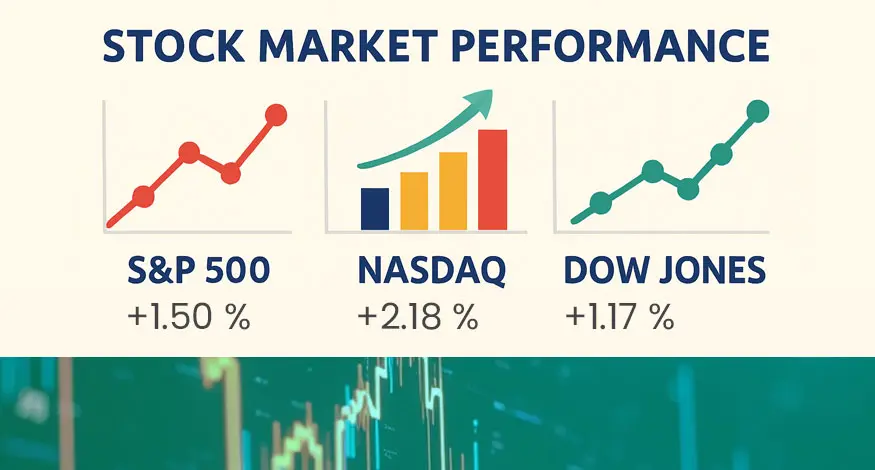
The Standard & Poor’s 500 Index added 1.50 percent, while the Nasdaq Composite Index rose 2.18 percent. The Dow Jones Industrial Average advanced 1.17 percent. The MSCI EAFE Index, which tracks developed overseas stock markets, picked up 0.78 percent.
S&P 500 Closes Above 6,000 (Again)
Early in the week, markets notched steady gains as investors awaited key economic indicators and monitored ongoing trade discussions. Megacap tech names—particularly AI chipmakers—led the broader market higher, as sentiment stayed bullish on prospects for a U.S.-China trade deal.
Midweek, however, concerns over tariffs and a notable decline in one megacap tech stock slowed overall market momentum. Recent conversations between the U.S. and Chinese leadership helped investors envision progress toward a trade deal between the two nations.
On Friday, stocks pushed higher following the release of the May jobs report, which showed an addition of 139,000 jobs, above expectations of 125,000. The S&P 500 closed above 6,000 for the first time since February—a key psychological hurdle for some market participants. And the Dow erased all its 2025 year-to-date losses.
Investing involves risks, and investment decisions should be based on your own goals, time horizon, and tolerance for risk. The return and principal value of investments will fluctuate as market conditions change. When sold, investments may be worth more or less than their original cost.
The forecasts or forward-looking statements are based on assumptions, may not materialize, and are subject to revision without notice.
The market indexes discussed are unmanaged, and generally, considered representative of their respective markets. Index performance is not indicative of the past performance of a particular investment. Indexes do not incur management fees, costs, and expenses. Individuals cannot directly invest in unmanaged indexes. Past performance does not guarantee future results.
The Dow Jones Industrial Average (DJIA) is a price-weighted index composed of 30 widely traded blue-chip U.S. common stocks. The S&P 500 is a market-cap weighted index composed of the common stocks of 500 largest, publicly traded companies in leading industries of the U.S. economy. The NASDAQ Composite Index is a market-value weighted index of all common stocks listed on the NASDAQ stock exchange. The Russell 2000 is a market-cap weighted index composed of 2,000 U.S. small-cap common stocks. The Global Dow is an equally weighted index of 150 widely traded blue-chip common stocks worldwide. The U.S. Dollar Index is a geometrically weighted index of the value of the U.S. dollar relative to six foreign currencies. Market indexes listed are unmanaged and are not available for direct investment.
Fixed income investments are subject to various risks including changes in interest rates, credit quality, inflation risk, market valuations, prepayments, corporate events, tax ramifications and other factors.
International investments carry additional risks, which include differences in financial reporting standards, currency exchange rates, political risks unique to a specific country, foreign taxes and regulations, and the potential for illiquid markets. These factors may result in greater share price volatility.